TMD VS. Body Fat Scale
Test Description
The SDK has observed significantly faster connection speeds with body fat scales compared to TMD devices. This issue is currently under testing, covering the following scenarios:
- Speed: Bluetooth module connection speed comparison (body fat scale vs. our device)
- State: Immediately after power-on | After 30 minutes of operation
- Environment: Interference (hardware operating frequency interference) vs. Normal conditions
- Device: Same smartphone (Honor), identical central device (BLE)
⬇️ Performance Metrics ⬇️
Speed: Bluetooth Module Connection Speed Comparison (Body Fat Scale vs. Our Device)
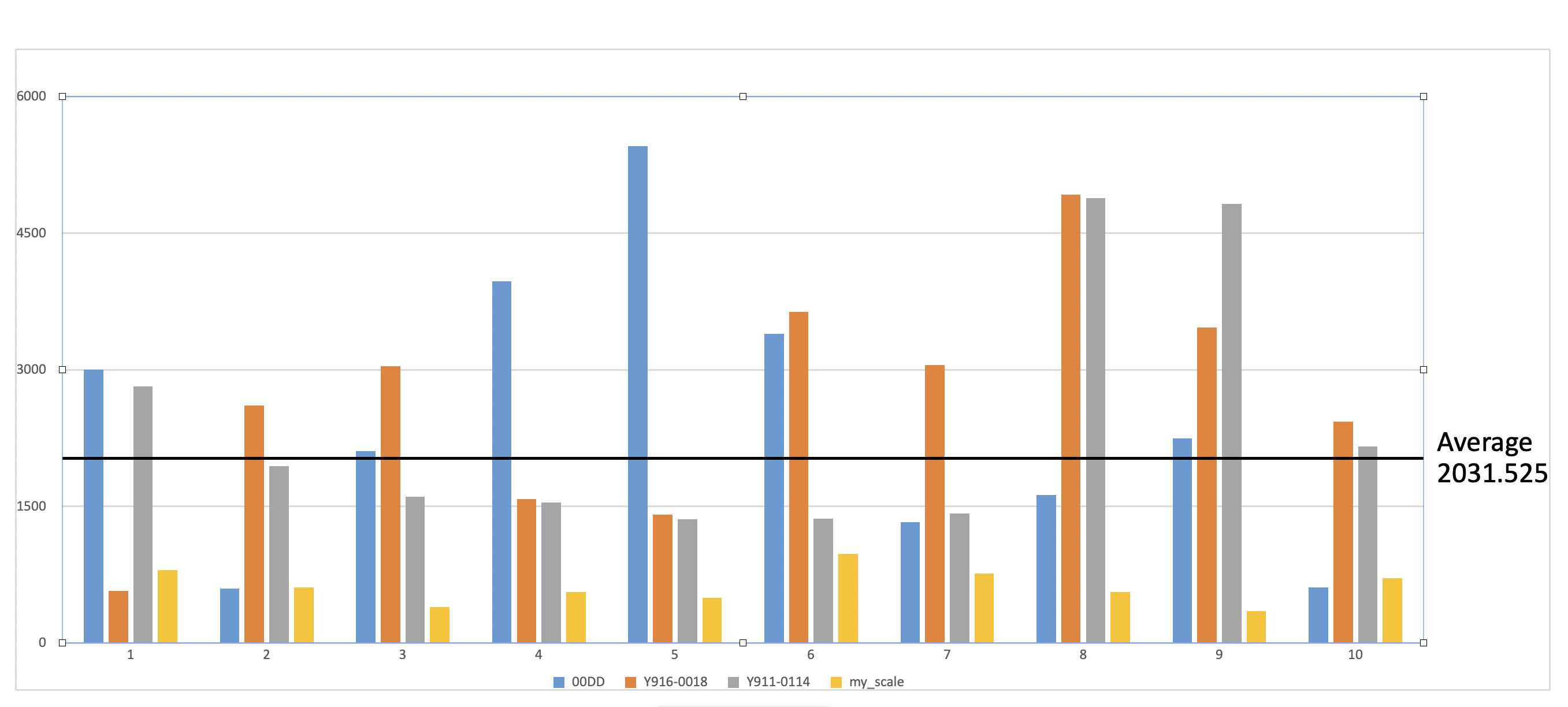
Connection time comparison for 4 different machine models:
-
Case 1: Connection time statistics for 4 devices in office environment
-
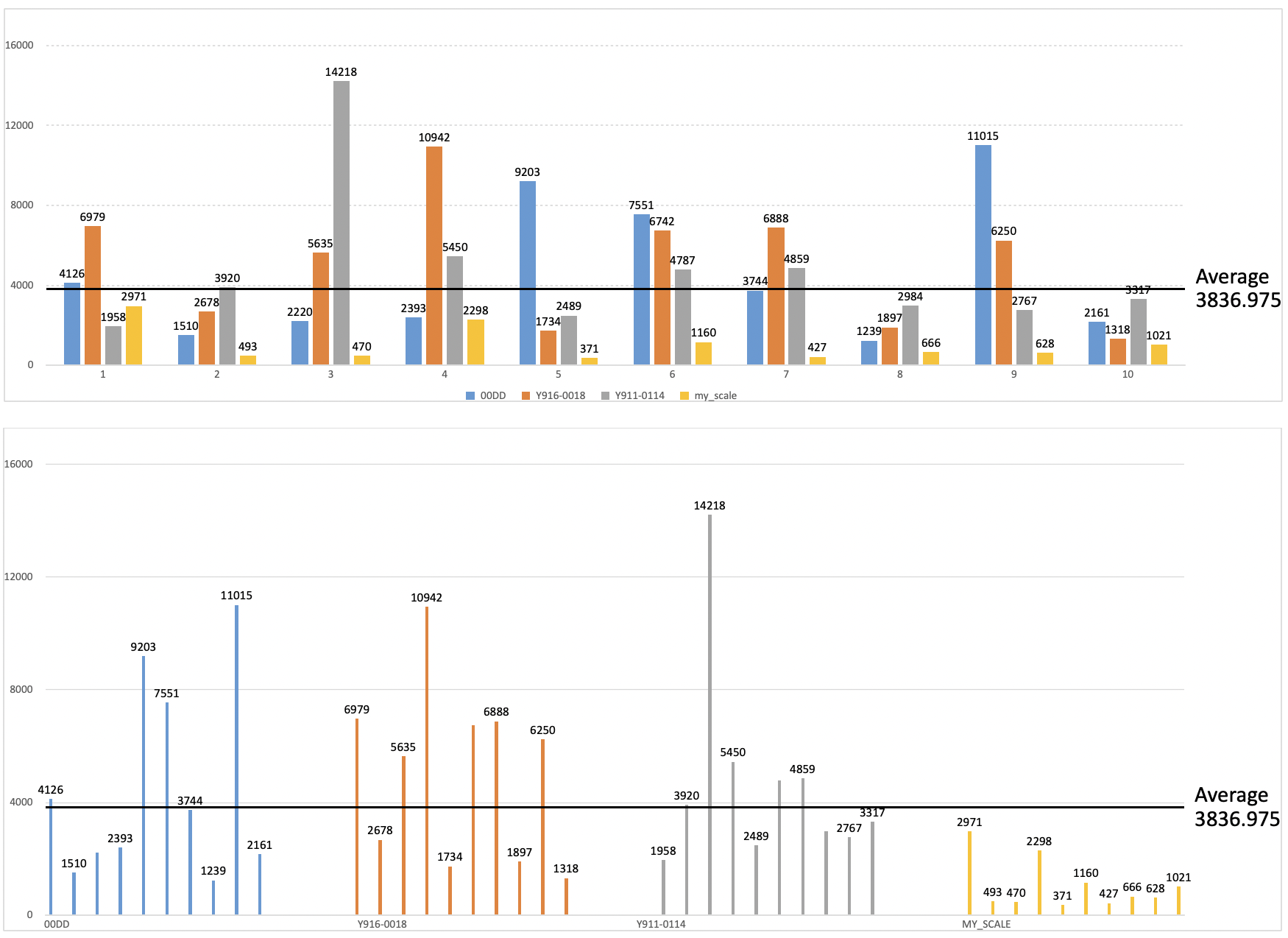
Case 2: Connection time comparison when phone uses same-frequency WiFi (2.4GHz)
Bluetooth operates at 2.4GHz. When WiFi switches between 5GHz/2.4GHz, same-frequency interference affects Bluetooth connection time and stability.
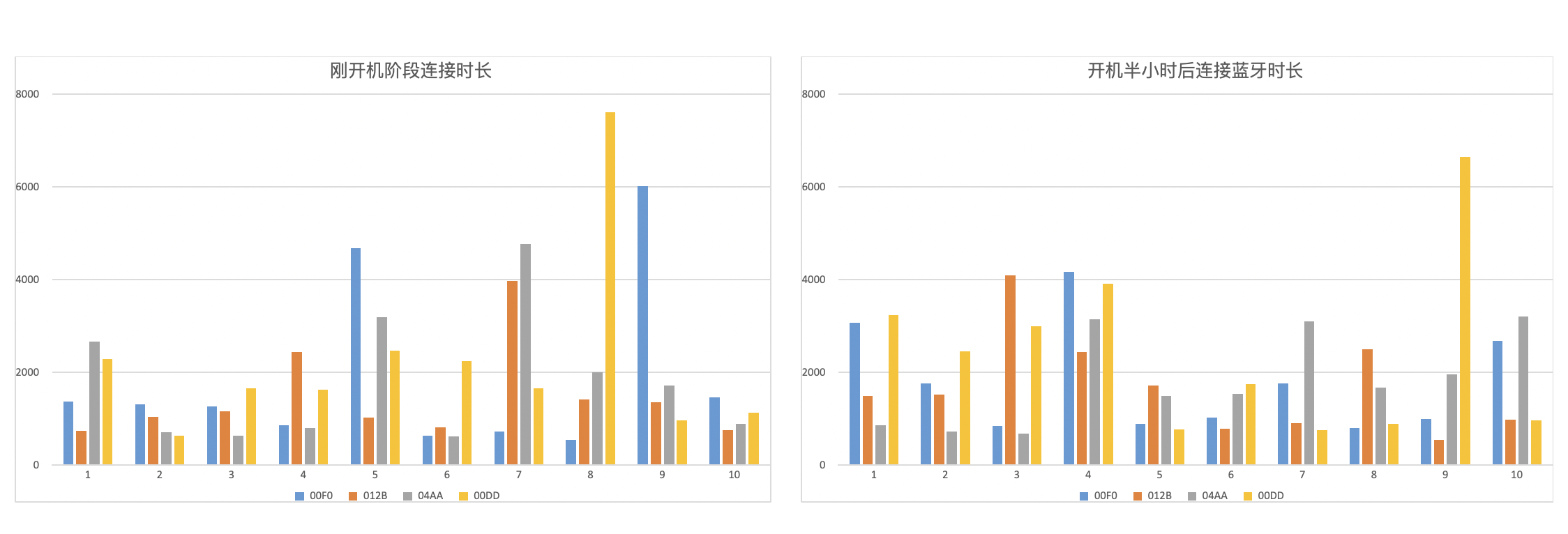
State: Immediately After Power-on vs. After 30 Minutes Operation (TMD devices only)
Connection time comparison between freshly powered devices and devices running for 30 minutes.
Summary
Current tests show body fat scales have significantly faster connection speeds and higher stability than TMD devices when powered on. TMD devices exhibit longer connection times regardless of power-on state, though both maintain normal detection stability.
- Body Fat Scales: Consistently connect within 2 seconds, demonstrating stronger interference resistance
- TMD Devices: Average connection time under 6 seconds, with weaker interference resistance
See test report details below. Download Raw Measurement Data for complete datasets.